
Stretching for Performance
A Practical Guide for Athletes
[Newsletter March 2026]
For decades, athletes were told to stretch before every training session, but modern sports science has changed that advice. Research now shows that the wrong type of stretching at the wrong time can actually reduce performance, while the right type can improve it.
For athletes, stretching should be strategic — not automatic.
The Goal of Stretching in Sport
In athletic settings, stretching serves three main purposes:
• Improve range of motion
• Prepare muscles for movement
• Support recovery and tissue health
However, stretching is not a primary injury prevention strategy on its own. Strength training, workload management, and neuromuscular training have much larger effects.
Stretching should instead be used as a targeted performance tool.
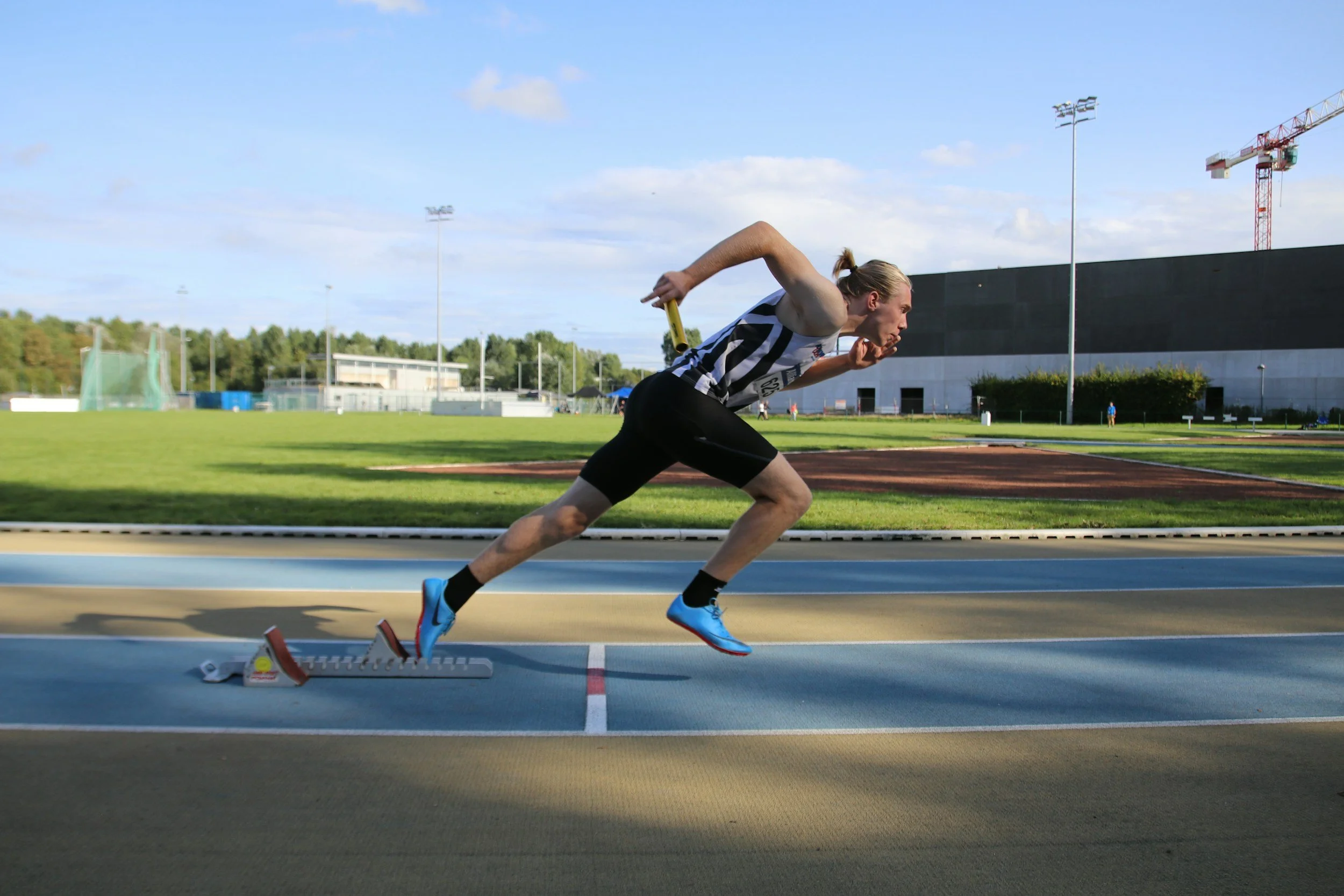
Dynamic Stretching: The Athlete’s Warm-Up
Dynamic stretching is now considered the gold standard for pre-training warm-ups.
Examples include:
• Leg swings
• Walking lunges with rotation
• High knees
• Skipping drills
• Arm circles
These movements increase:
• Muscle temperature
• Nervous system activation
• Joint mobility
• Movement readiness
Multiple studies in team sports show that dynamic warm-ups maintain or improve sprint speed, power output, and agility compared with static stretching.
A good warm-up should include 5–10 minutes of progressive movement.
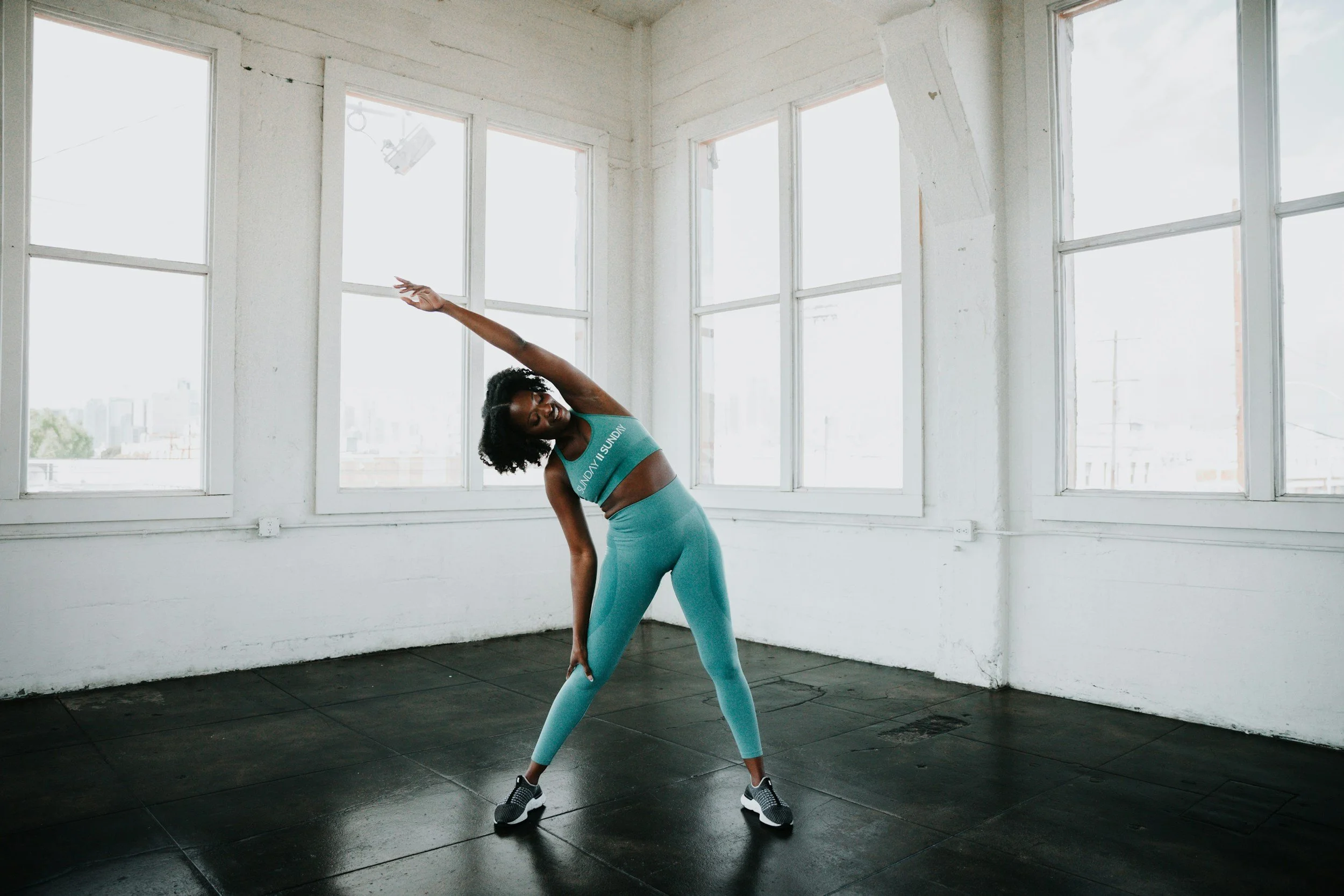
Static Stretching: Use It After Training
Static stretching still has value — just not immediately before explosive activity.
Long static holds (over ~60 seconds per muscle group) can temporarily reduce:
• Maximal strength
• Power production
• Sprint performance
For this reason, static stretching is best placed:
• After training
• During cool-downs
• In separate flexibility sessions
Athletes with limited mobility may benefit from regular static stretching outside of competition windows.
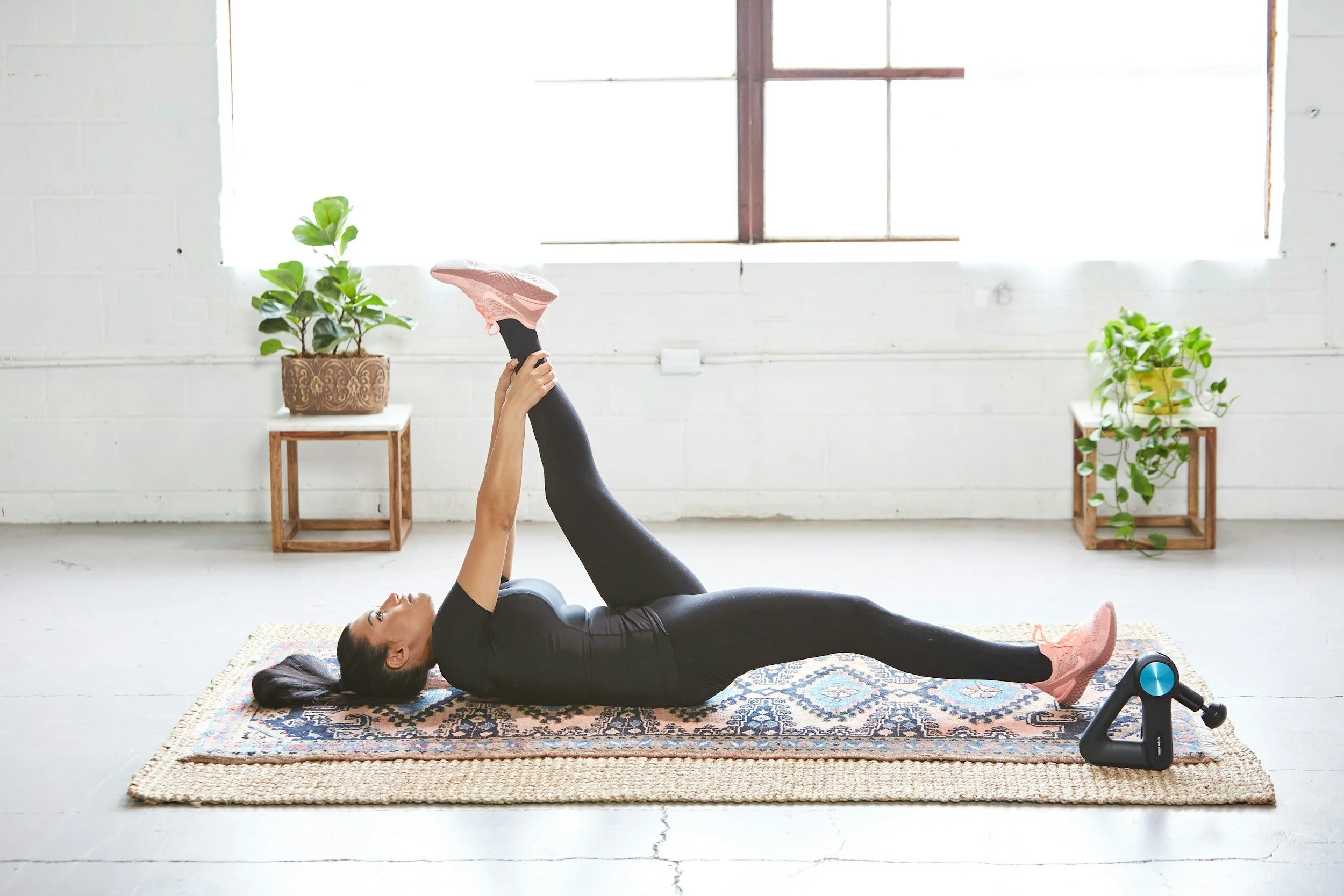
PNF Stretching: Advanced Flexibility Work
PNF stretching is commonly used in:
• Physiotherapy
• Rehabilitation
• Flexibility-focused training
Techniques like contract–relax stretching can produce rapid increases in range of motion by combining muscle contraction with stretching.
Athletes who require high levels of flexibility — such as dancers, gymnasts, martial artists, or goalkeepers — may incorporate PNF stretching into regular training.
Because it is intense, it is usually performed after exercise or during dedicated mobility sessions.
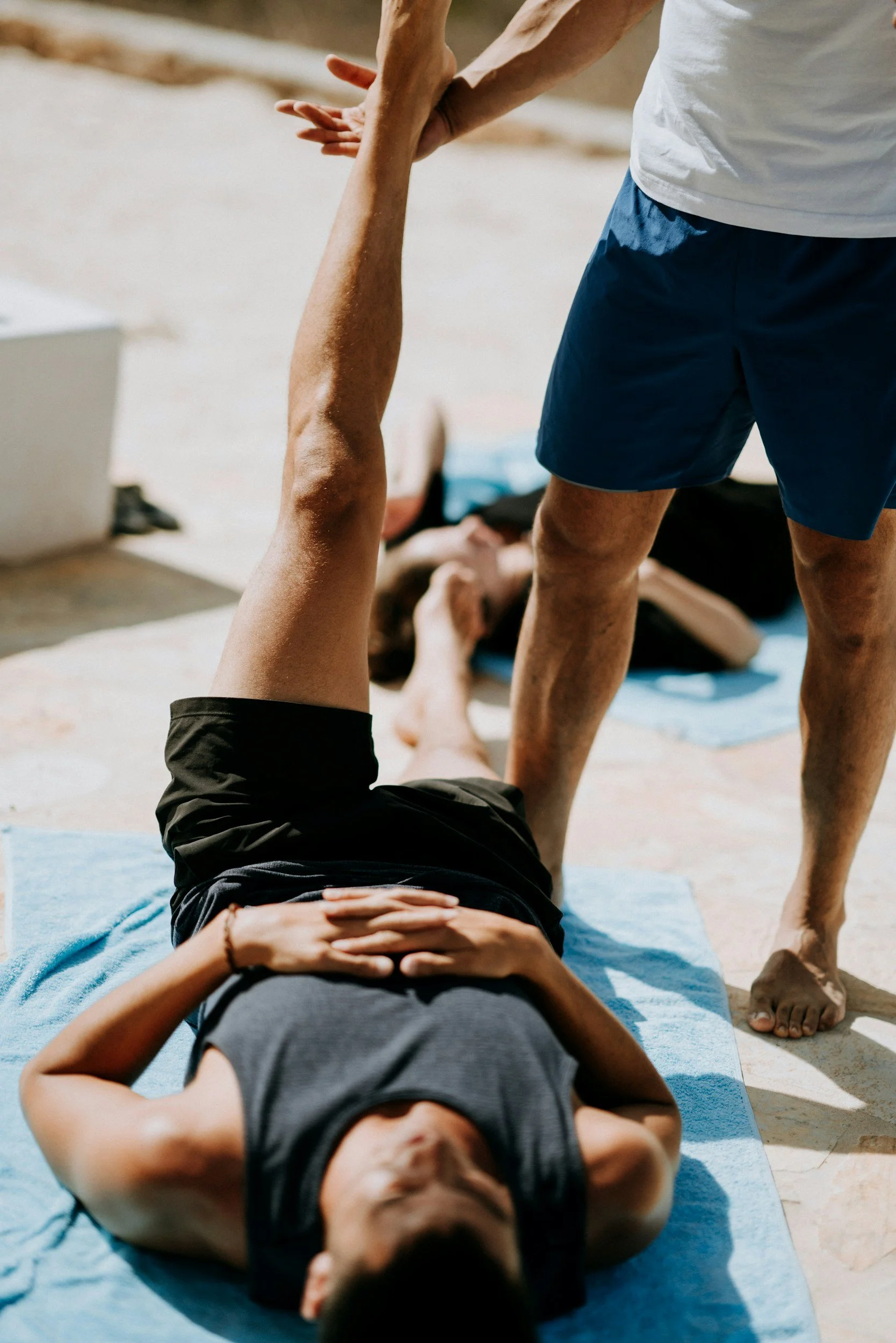
Ballistic Stretching: Sport-Specific Use
Ballistic stretching uses rapid bouncing movements to push a joint through its range.
While it fell out of favor in general fitness, some elite athletes use controlled ballistic movements as part of sport-specific training.
Examples include:
• Sprint drills
• Kicking drills
• Gymnastics mobility work
However, it requires high neuromuscular control and is rarely recommended for beginners.
The Key Takeaway
Stretching isn’t about doing more — it’s about doing the right type at the right time.
Before performance → Dynamic movement
After training → Static stretching
For flexibility development → Static or PNF
When used strategically, stretching becomes a performance enhancer rather than just a habit.